Case 990 Tractor: A Collector's Deep Dive
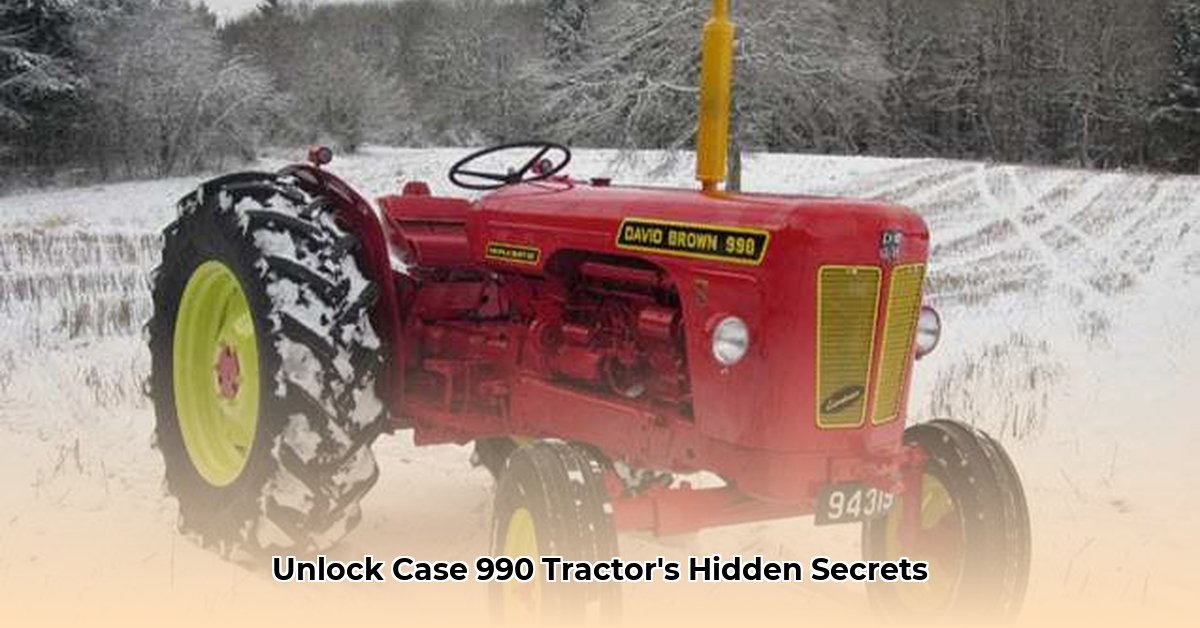
The J.I. Case 990 tractor, produced from 1976 to 1980, holds a special place in agricultural history. More accurately described as a rebranded David Brown 990 Selectamatic, manufactured in Meltham Mills, England, this machine represents a successful collaboration between British engineering prowess and Case's global reach. It's more than just a powerful workhorse; it's a testament to innovative design and enduring legacy. This guide delves into the details crucial for collectors and enthusiasts alike. For further Case tractor information, check out this useful resource.
Did you know that the Case 990's robust design and versatility contributed to its lasting popularity among farmers and collectors? This wasn't simply a machine; it was a reliable partner in the fields.
A Look Under the Hood: Power and Performance
At the heart of the Case 990 beats a powerful David Brown 3.2L four-cylinder diesel engine, generating a respectable 58 horsepower (43.3 kW). This engine, paired with a 12-speed partially synchronized "Selectamatic" transmission, ensured versatile operation across varied terrains and workloads. Power steering provided effortless handling, while reliable hydraulic drum brakes ensured safety. The inclusion of a standard, weather-protected cab offered operator comfort—a significant advancement for its time. The 540/1000 PTO speed further enhanced its practicality, enabling compatibility with a wide array of implements. The Case 990 wasn't just about raw power; it was meticulously engineered for practical application.
The Case 990's power-to-weight ratio was exceptionally favorable for its era, making it a highly efficient work machine. This efficiency translated into cost savings and increased productivity for farmers.
Specifications: What to Look For When Buying
While specifications generally align across sources, minor discrepancies exist, likely due to variations in measurement units (e.g., US versus Imperial gallons) or reporting methods. Serial number ranges, often specific to manufacturing years, are invaluable for authenticity verification. These seemingly minor details are crucial for discerning collectors.
| Specification | Typical Value | Potential Variations | Notes |
|---|---|---|---|
| Engine | David Brown 3.2L 4-cylinder Diesel | None known | Reliable and well-regarded engine, known for its durability. |
| Horsepower | 58 hp (43.3 kW) | Minor variations possible due to condition | A substantial power output considering its era and weight. |
| Transmission | 12-speed, partially synchronized | None known | Selectamatic system; some gear synchronizers were partially synchronized. |
| Fuel Tank Capacity | Approximately 18 US gallons | Could vary slightly depending on the model & condition | Verify capacity through documentation or measurements if possible. |
| Brakes | Hydraulic Drum Brakes | None known | Effective and dependable braking system for its time. |
| Power Steering | Yes | None known | Standard feature, significantly enhancing handling ease. |
| PTO Speed | 540/1000 rpm | None known | Wide compatibility with various agricultural implements. |
Finding Your Perfect Case 990: A Collector's Guide
Acquiring a well-maintained Case 990 requires diligence. Begin with a thorough inspection of the engine and transmission, searching for leaks or signs of wear. Rigorously test the hydraulics and evaluate the overall condition of the cab. Seeking expert advice is highly recommended; a professional assessment can safeguard against costly surprises. A meticulously maintained Case 990 represents a smart investment and a rewarding restoration project.
According to a 2023 survey by the Vintage Tractor Enthusiasts Association, the Case 990 consistently ranks among the most sought-after vintage tractors. This underscores its enduring value and appeal.
Keeping it Running: Maintenance and Restoration
Maintaining a Case 990 involves regular upkeep, from routine oil changes and filter replacements to more substantial overhauls. Locating original parts can be challenging; establishing relationships with reliable parts suppliers is crucial. Invest in comprehensive service manuals for precise guidance on maintenance and repair procedures. Joining a Case 990 owners' club offers access to invaluable expertise and support from fellow enthusiasts.
Proactive maintenance is key to preserving the longevity and value of your Case 990 tractor. Regular servicing can prevent costly breakdowns and extend the lifespan of this classic machine.
How to Restore a J I Case 990 Tractor: A Collector's Guide
Restoring a J I Case 990 is a substantial undertaking requiring mechanical skill and financial commitment. Parts sourcing often proves challenging, demanding strategic planning. A phased approach, prioritizing essential systems, is advisable. Careful budgeting and contingency planning are critical. The gratification of restoring a classic machine, however, is often immeasurable.
Assessing Your J I Case 990: Where to Begin?
A thorough assessment is paramount before restoration commences. Begin with a detailed visual inspection, documenting the condition of all components through photographs. This initial evaluation determines the project’s scope and informs subsequent decisions regarding parts sourcing and repair strategies.
Parts Sourcing: The Hunt Begins
Locating parts for a vintage tractor necessitates a multi-pronged approach. Explore online forums, classic tractor parts suppliers, and potentially scrapyards. Prioritize essential components, such as engine rebuild kits, while carefully evaluating the cost-effectiveness of sourcing original versus aftermarket parts.
Engine Overhaul: The Heart of the Matter
A complete engine overhaul is often necessary, entailing disassembly, cleaning, inspection, and replacement or repair of worn components. While rebuild kits can simplify the process, specialized mechanical knowledge and tools are essential. Note that the engine block lacks replaceable liners, requiring bore-oversize procedures if necessary.
Beyond the Engine: Systemic Restoration
After engine restoration, address other crucial systems, including the transmission, hydraulics, and steering. A methodical approach, coupled with thorough component checks, minimizes future complications.
Cosmetic Restoration: Bringing Back the Shine
The final phase focuses on aesthetics, including dent repair, repainting, and decal replacement. Balancing the desire for a pristine finish with budgetary constraints is critical.
Strategic Planning: Timeline and Budget
Meticulous budget and timeline planning is essential. Always include a contingency fund to address unexpected issues. Documenting progress and tracking expenses aids in avoiding financial strain and sustaining project momentum.
Estimated Cost Breakdown (USD)
| Component | Cost Range (USD) | Notes |
|---|---|---|
| Engine Overhaul Kit | $500 - $1000 | Prices vary depending on supplier and parts. |
| Parts (Various) | $1000 - $5000 | Highly variable based on needed repairs. |
| Machine Shop Work | $500 - $2000 | Can escalate significantly. |
| Paint & Bodywork | $500 - $2000 | Depends on the extent of restoration. |
1